Appspeopleactuallyopen.
I design and build mobile apps for iOS and Android, and ship web products from first sketch to production code.
Most of my time sits between Xcode, Figma, and the editor. I build native Swift/SwiftUI apps, cross-platform Flutter apps, and the occasional full-stack web product.
Currently taking on select client work. Mobile-first, but comfortable across the stack.
5 apps shipped · iOS · Android · macOS · Web
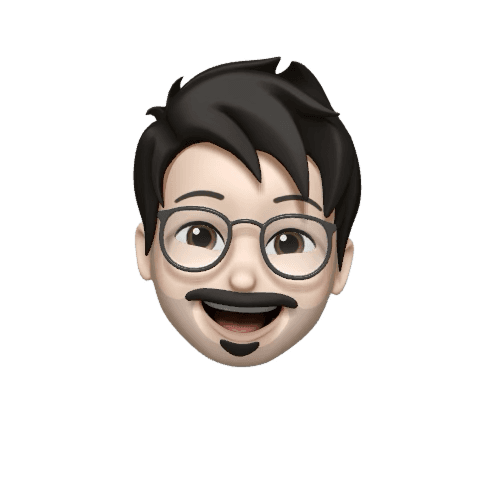
Hi, I'm Aftaab.
I'm a mobile engineer and product designer based in India. I build native iOS apps with Swift and SwiftUI, cross-platform apps with Flutter, and the occasional full-stack web product, usually for founders who need one person to hold the whole thing together.
I started out in design. Figma, flows, components, the whole pipeline. But the handoff kept losing something: the feel, the detail, the intention. So I learned to code, and somewhere along the way realized I preferred being the person who does both. These days I'm most at home in Xcode, but I still care about how things look and feel down to the animation curve.
I like working with small teams where design and engineering aren't separate departments. If you need someone who can take an app from first sketch to the App Store without a translation layer in the middle, that's the work I'm built for.
Based in
India
Available for
iOS · Flutter · Product design
Shipped
5 apps on the App Store
Selected work
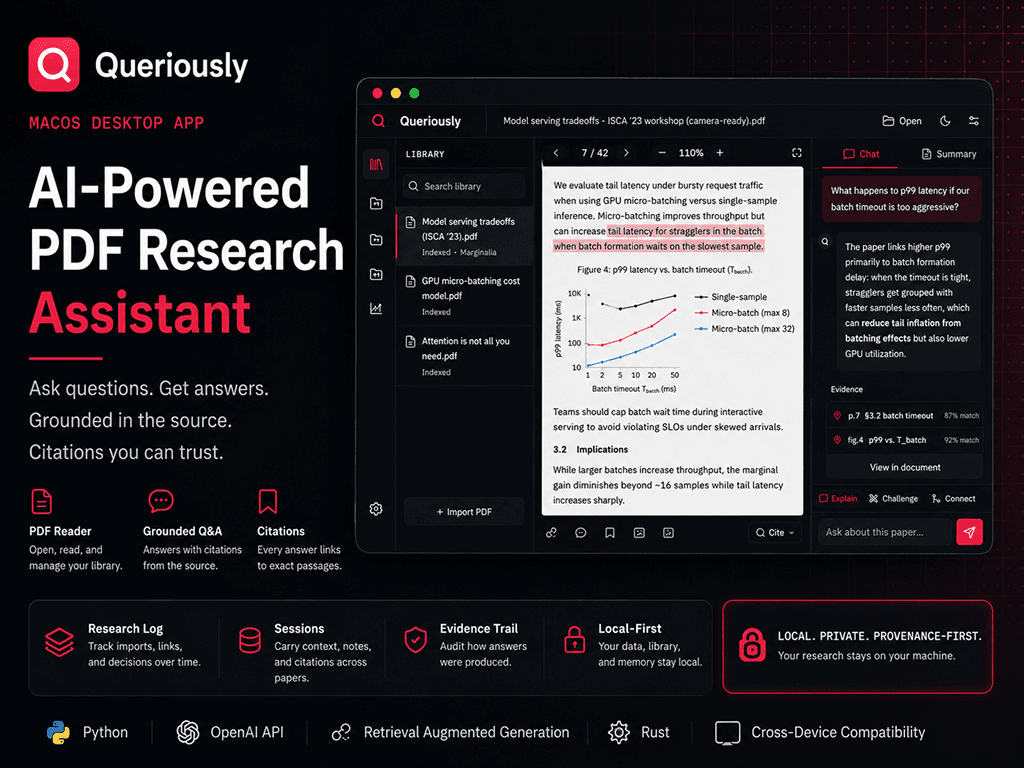
Products I've designed and built end to end. Native iOS apps, cross-platform mobile, and web products. Each one starts with the interface people touch.
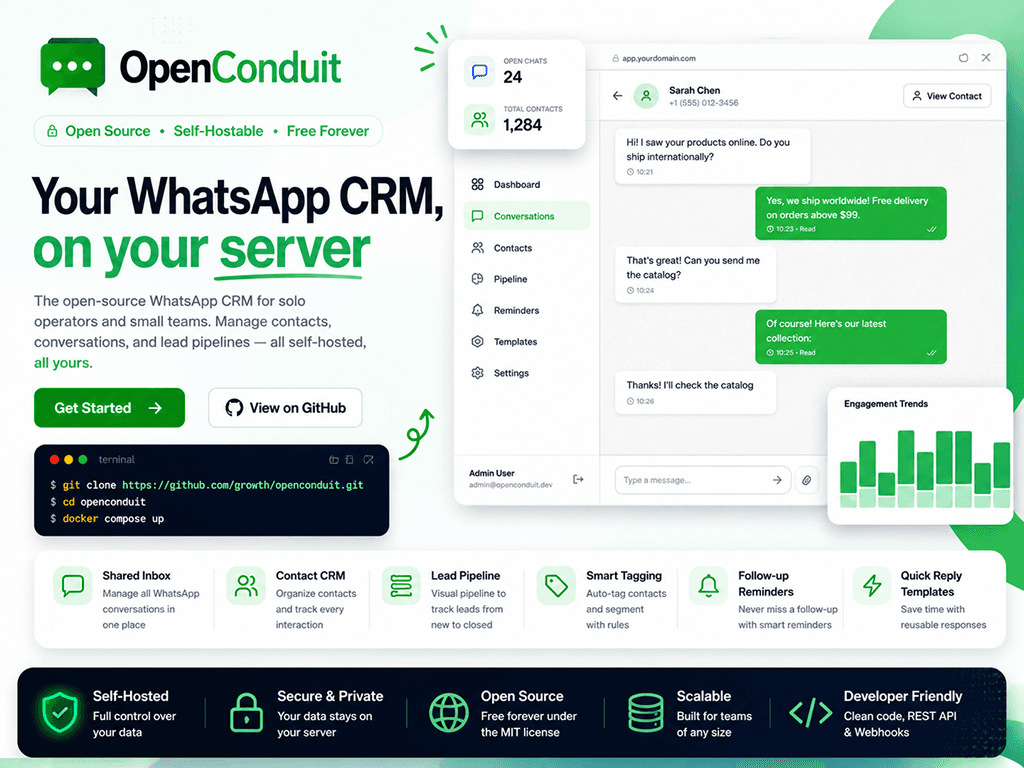
Shipped
Apps in the App Store, Mac App Store, and Google Play.
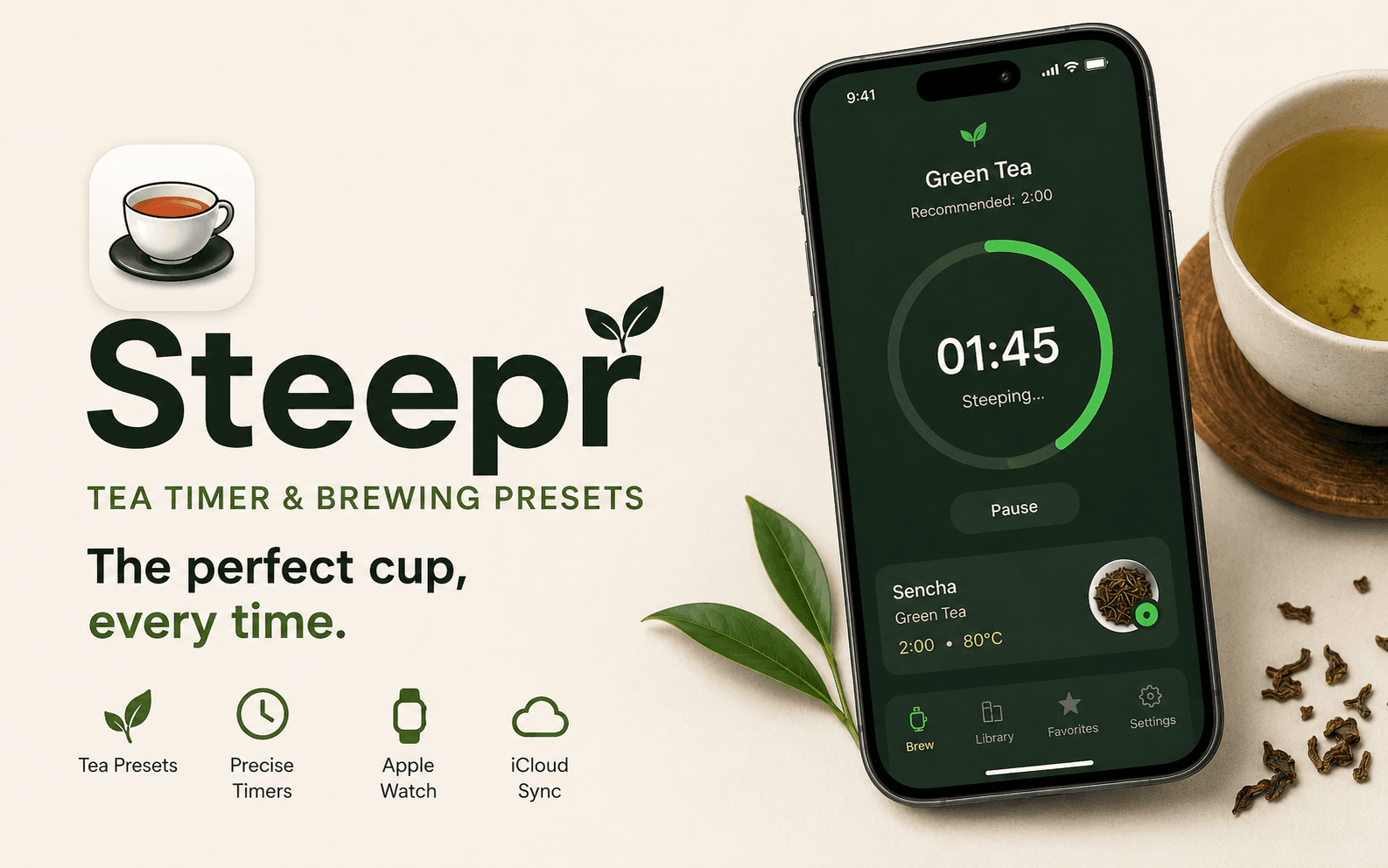
Steepr
Tea brewing companion with curated presets, Apple Watch support, and iCloud sync.
Splashy Sketchpad
Native macOS infinite whiteboard for ideas, diagrams, and architecture sketches.

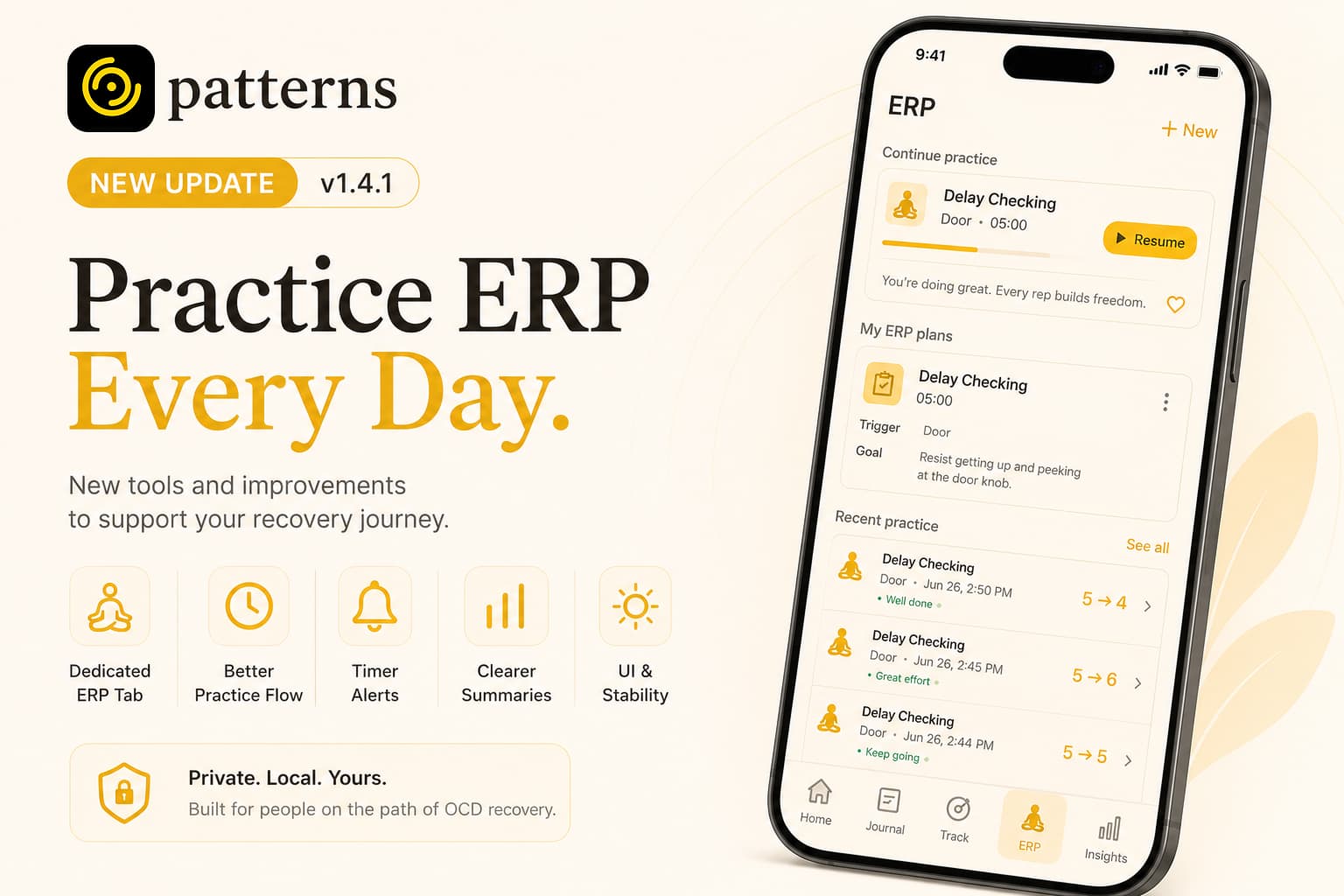
Patterns
Privacy-first OCD journal and ERP companion. Everything stays on-device.

Lofikofi
Offline-first focus workspace: Pomodoro timers, ambient sounds, Kanban, and notes.
Rise & Rattle
Modern Snakes & Ladders with colorful visuals and local multiplayer.
Services
Services
One person. Design and code.
You get one person across the whole product. Research, interface, and the system underneath all live in the same head. Nothing gets lost in a handoff. No account managers sit between the decision and the pixel.
I care about native platform conventions on mobile and about code that holds up as the product grows. Design and engineering aren't two phases. They happen together.
Native iOS development with Swift & SwiftUI
iPhone, iPad, Apple Watch, and Mac. Native, performant, and following platform conventions.
Cross-platform mobile apps with Flutter (iOS & Android)
One codebase, two stores. Pixel-perfect UI with native performance on both platforms.
UI/UX design for mobile and web
From Figma flows to shipped interfaces. Motion, typography, and interaction, considered together.
Full-stack web development (React, Next.js, Node)
Fast, maintainable web products built end to end, from frontend through API.
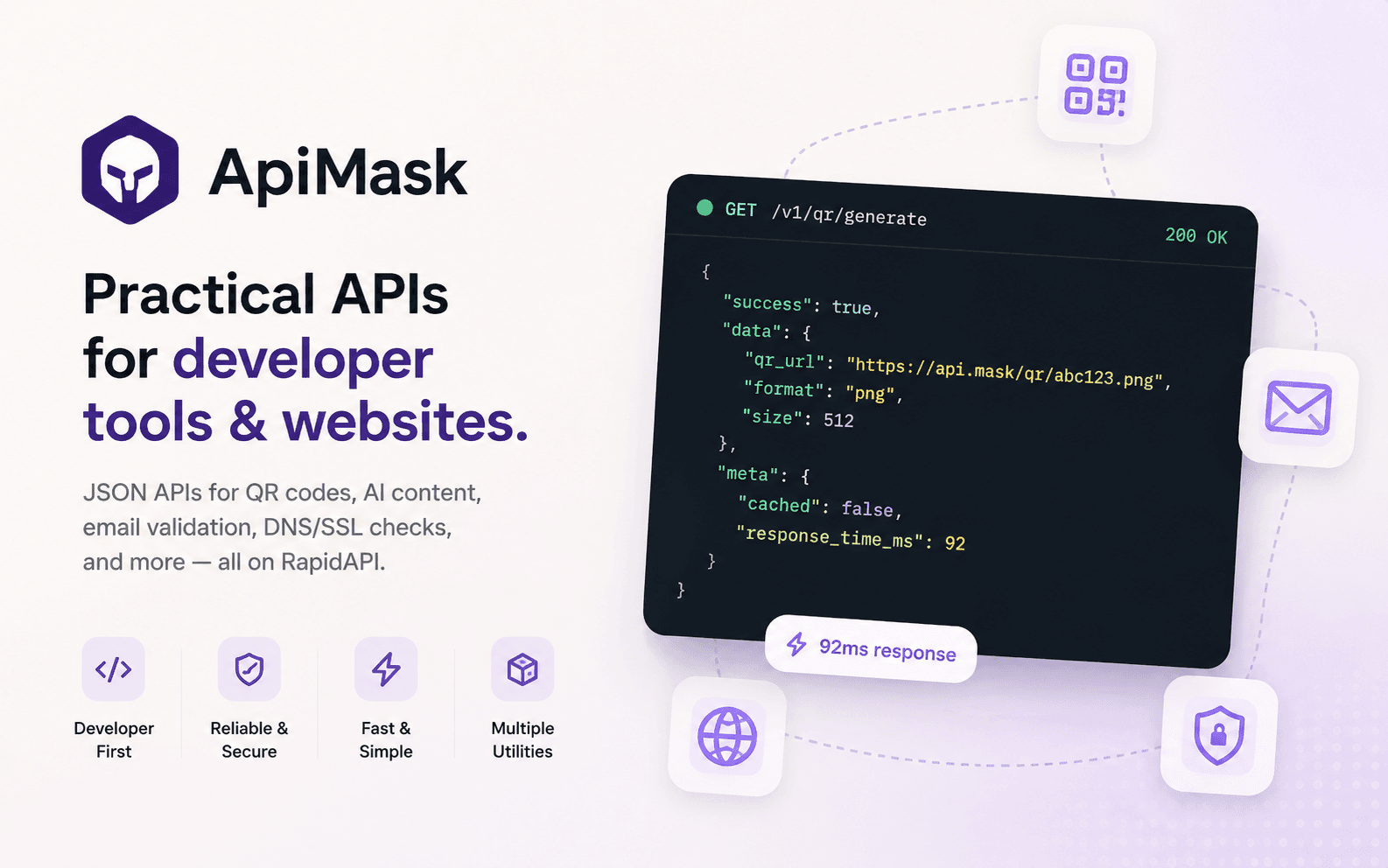
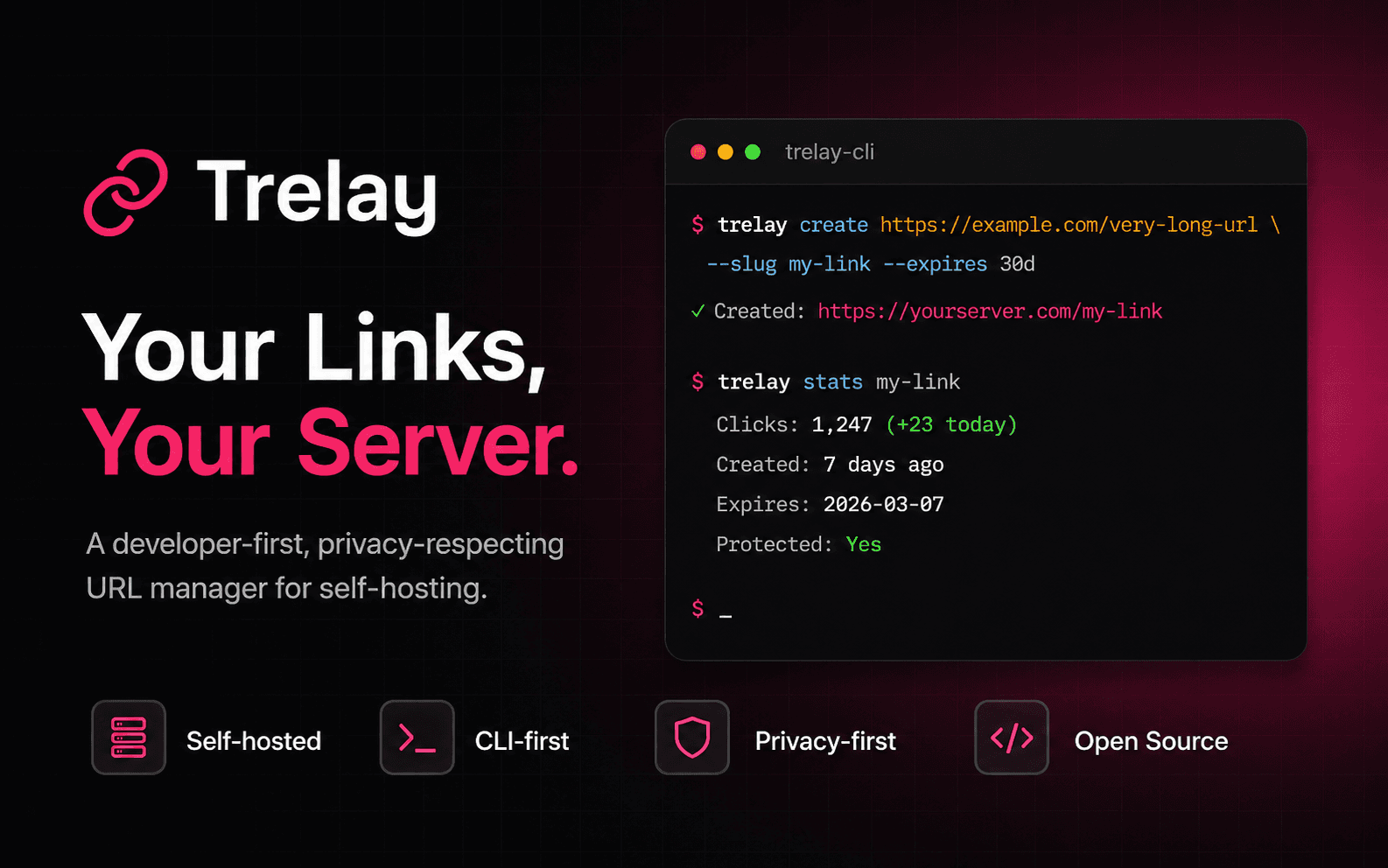
Self-hosted tools and developer infrastructure
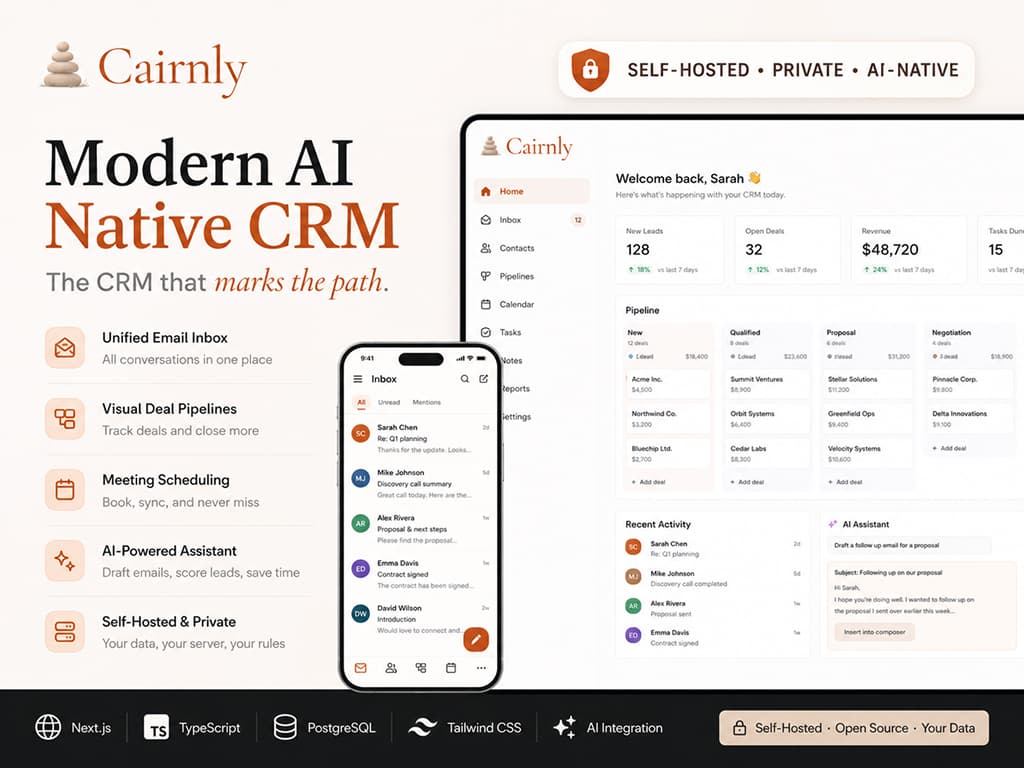
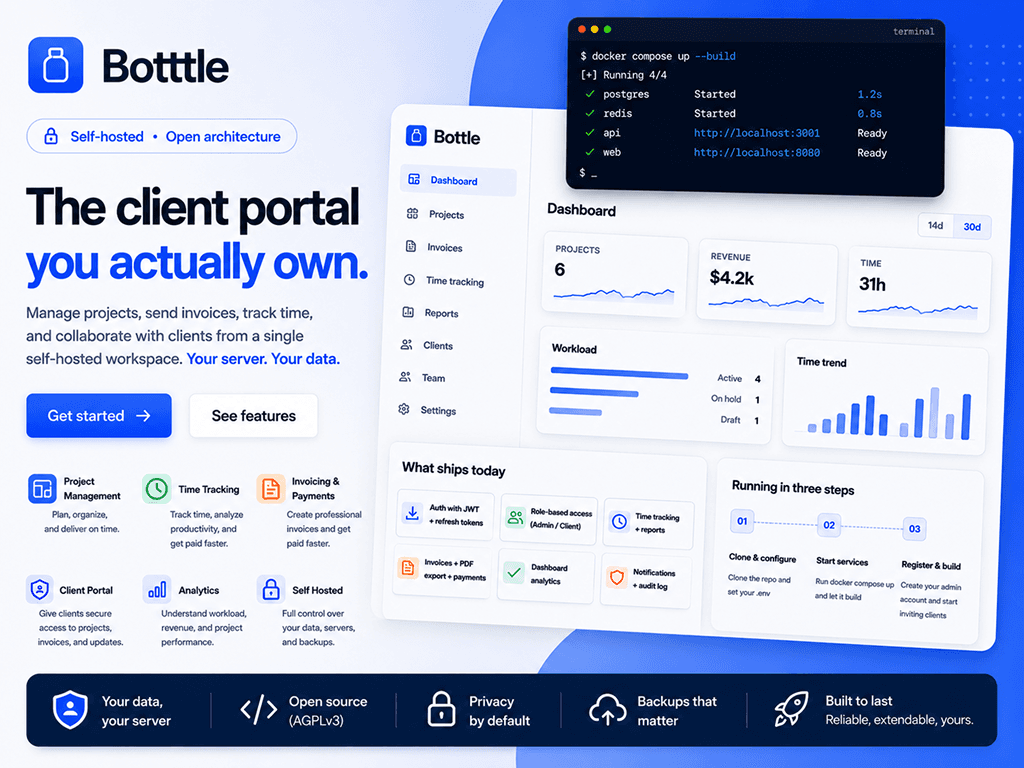
CRMs, portals, and dev tooling that run on your own server and stay in your control.
Process
How I work with founders and teams. Research through release, with design and engineering interleaved at every step.
- 01
Listen & frame
I start with the people the product is for. What they actually do, where the friction lives. Frame the problem before framing the solution.
- 02
Sketch & design
Low-fi flows first, then Figma. Shape the interface, the type, the motion. Put decisions in front of you so they can be pressure-tested.
- 03
Build with intent
Design and code keep informing each other as I go. SwiftUI or Flutter on the surface, clean services behind them. Motion and state are built in from the start.
- 04
Iterate in the open
Ship, measure, refine. Loading states. Transitions. Empty states. The small details that turn a working product into one that feels finished.
Close attention to state, loading, and interaction feedback. The small details turn a working product into one that feels right.
Stack
Mobile
Design & interface
Web frontend
Backend & APIs
Systems & languages
Runtime & tooling
I pick tools by what the product needs and what the team can maintain.
Writing
Long-form notes on product, design, and engineering decisions.
- Why I Rewrote the Same Screen Four Times01-07-2026
- Building for Apple Watch Taught Me to Design with Constraints24-06-2026
- The 3am Details Nobody Notices But Everyone Feels12-06-2026
- Pricing Your First App When You Have No Data05-06-2026
Let's build
something.
I work with founders and small teams on mobile and web products, from first design to shipped code. If you have a project in mind, or just want to say hello, drop me a line.